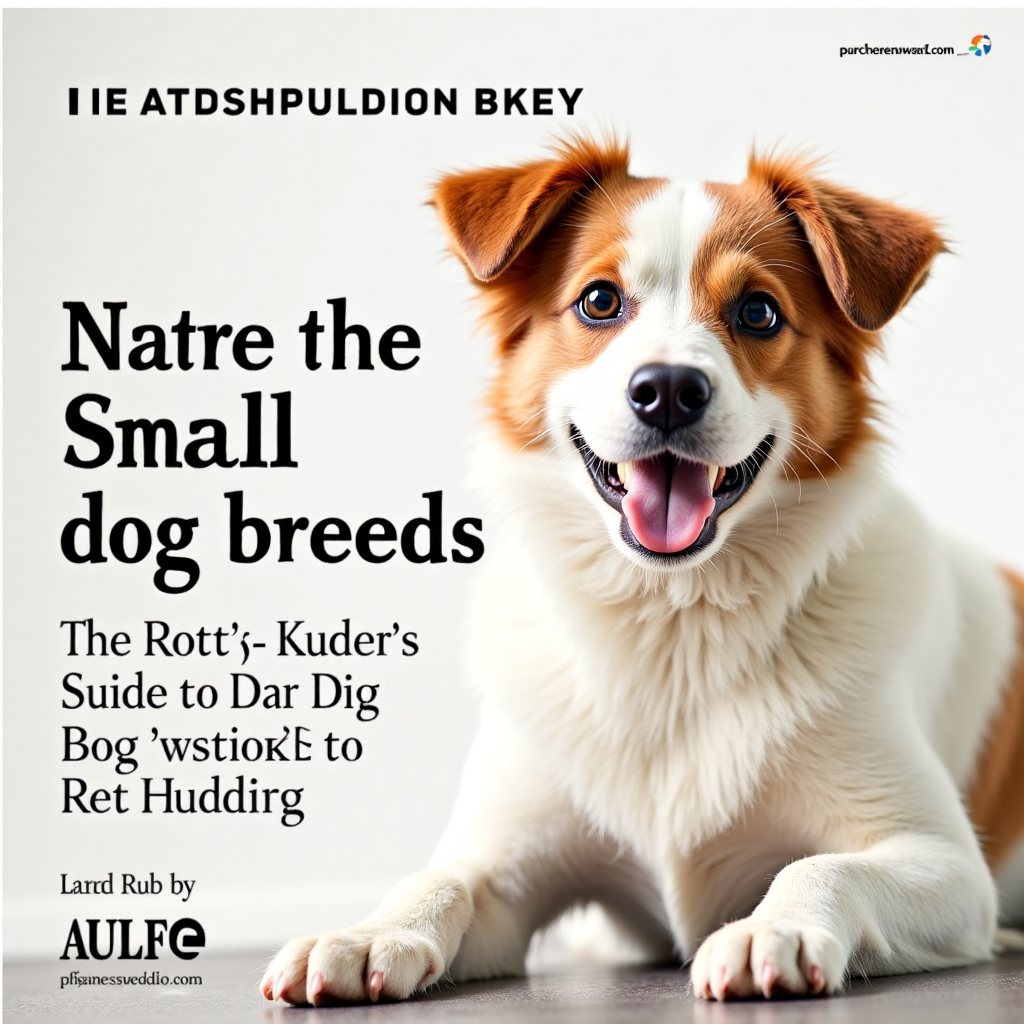
For centuries, the companionship of small dog breeds has captured the hearts of city dwellers, families, and individuals alike. Occupying a unique and endearing niche in the canine world, these pint-sized pups offer more than just a manageable size; they deliver immense personality, unwavering loyalty, and a surprising amount of love per pound. From the feisty terrier to the cuddly lapdog, the appeal of small breeds is universal and enduring. Whether you live in a compact apartment, have limited outdoor space, or simply prefer a pet that’s easier to travel with, a small dog might be your perfect match. But choosing the right small breed requires more than just falling for a cute face. This comprehensive guide dives deep into the world of small dogs, exploring their history, the practicalities of ownership, and detailed profiles of popular breeds to help you find your ideal four-legged friend.
The Allure and Practicality of Small Canine Companions
The history of small dog breeds is a fascinating journey intertwined with human society. While the earliest dogs were larger, working animals, selective breeding over millennia gave rise to smaller variants bred for specific, non-hunting roles. Many toy breeds, like the Pekingese and Shih Tzu, were developed as cherished companions and status symbols for royalty in ancient China and other civilizations. Others, like the Dachshund and smaller terriers, were bred down in size to perform specialized tasks such as hunting vermin or burrowing animals. This historical background explains the vast diversity in temperament among small breeds today—some are regal and aloof, while others are tenacious and energetic.
From a practical standpoint, the benefits of small dog ownership are significant. Their compact size makes them ideal for apartment living and smaller homes, as they require less physical space to be comfortable. They are generally more affordable to feed and often have lower grooming costs (though this varies dramatically by coat type). Travel and transportation are simpler, whether it’s a trip to the vet, a vacation, or just a visit to a pet-friendly cafe. Furthermore, their exercise needs, while still crucial, are often more manageable for individuals with less active lifestyles or mobility issues. A few short walks and indoor play sessions can sufficiently tire out many small breeds, making them excellent companions for seniors or busy professionals.
Beyond the Size: Crucial Considerations Before You Bring One Home
It is a common and costly misconception that small dogs are merely “easy” or require less commitment than their larger counterparts. The truth is, small breed ownership comes with its own unique set of responsibilities and challenges. Understanding these is key to a happy, harmonious relationship.
Temperament and Training Myths
Perhaps the biggest myth is the “small dog syndrome.” This is not a medical condition but a behavioral issue often resulting from inconsistent training and a lack of boundaries. Because small dogs are cute, owners may inadvertently spoil them, failing to enforce basic rules. This can lead to behaviors like excessive barking, nipping, and stubbornness. The golden rule is: train your small dog exactly as you would a large dog. Consistent, positive reinforcement training is non-negotiable. Socialization from a young age—exposing them to various people, dogs, sounds, and environments—is equally vital to prevent fearfulness and aggression.
Health and Lifespan
Small dogs typically enjoy longer lifespans, often living 12-16 years or more. However, they are predisposed to certain health issues. Dental problems are rampant due to crowded teeth in small jaws, making daily dental care essential. They can be prone to luxating patellas (slipping kneecaps), tracheal collapse (especially in breeds with short snouts), and hypoglycemia (low blood sugar) in very tiny puppies. Choosing a reputable breeder who conducts health screenings on their breeding stock is the best defense. Regular veterinary check-ups and a high-quality diet formulated for small breeds are crucial for their long-term wellness.
Grooming and Care Needs
Grooming requirements vary wildly. Some breeds, like the Chihuahua, have minimal needs, while others, like the long-haired Maltese or the curly-coated Poodle mix, require daily brushing and professional grooming every 4-6 weeks. Nail care is especially important for small dogs, as their nails contact the ground less and can grow painfully long if not trimmed regularly. Don’t overlook the importance of a proper harness over a collar to protect their delicate necks and tracheas.
Popular Small Dog Breeds: A Closer Look
With dozens of wonderful small breeds to choose from, it helps to narrow down based on energy level, grooming needs, and personality. Here is a closer look at some of the most popular small dog breeds, categorized by common traits.
The Affectionate Lapdogs
These breeds are typically calm, cuddly, and thrive on human companionship.
- French Bulldog: Charming, adaptable, and with minimal exercise needs, the “Frenchie” is a wildly popular companion. Their bat ears and squished face are iconic. Be mindful of potential breathing issues (Brachycephalic Syndrome) and their sensitivity to extreme heat.
- Cavalier King Charles Spaniel: The quintessential “love sponge.” Affectionate, gentle, and good with children and other pets, Cavaliers are the epitome of a sweet-natured companion. They require regular brushing and can be prone to heart conditions.
- Havanese: Bred as Cuban companion dogs, Havanese are cheerful, intelligent, and remarkably adaptable. Their silky, non-shedding coat requires regular maintenance, but their clownish personality and love for their family are irresistible.
The Energetic and Spirited Companions
Don’t let their size fool you—these small breeds are packed with energy and intelligence.
- Dachshund: Clever, curious, and famously bold, the “wiener dog” was bred to hunt badgers. They come in smooth, long-haired, and wire-haired varieties. Their long backs make them prone to IVDD (spinal issues), so preventing jumping and managing weight is critical.
- Miniature Schnauzer: With their distinctive beard and eyebrows, Miniature Schnauzers are alert, friendly, and highly trainable. They are low-shedding but require regular grooming. They make excellent watchdogs and energetic family members.
- Jack Russell Terrier: A powerhouse of energy in a small body. JRTs are incredibly athletic, intelligent, and require extensive physical and mental stimulation. They are best suited for active owners who can provide an outlet for their boundless drive.
The Portable and Tiny Toy Breeds
The smallest of the small, these breeds are lightweight and incredibly devoted.
- Chihuahua: The smallest dog breed in the world, Chihuahuas are loyal, confident, and often form a deep bond with one person. They can be wary of strangers and other dogs, making early socialization paramount. Their grooming needs are minimal.
- Pomeranian: A fluffy ball of extroverted energy. Poms are intelligent, lively, and often carry themselves with a big-dog attitude. Their glorious double coat requires frequent brushing to prevent mats. They are alert and make good little watchdogs.
- Yorkshire Terrier: Don’t be deceived by the elegant, floor-length coat—the “Yorkie” has the heart of a true terrier: feisty, brave, and energetic. Their hypoallergenic, hair-like coat is high-maintenance, but they are utterly devoted and charismatic companions.
Finding Your Perfect Small Match
The journey to finding your small-breed soulmate should begin with rigorous research, not impulse. Be brutally honest about your lifestyle. Are you a couch potato or a marathon runner? Do you have hours for grooming or do you need a wash-and-wear pup? Once you’ve identified a few breeds that align with your life, seek out responsible sources. Prioritize adoption from shelters or breed-specific rescues—many wonderful small dogs are waiting for a second chance. If you choose a breeder, ensure they are ethical, perform all recommended health tests on their dogs, and welcome you to meet the puppy’s parents.
Welcoming a small dog into your home is an invitation to a world filled with big laughter, profound loyalty, and a unique kind of joy. Their small stature allows them to be by your side in ways a larger dog cannot, whether it’s curled in your lap during a movie or tucked comfortably in a travel bag on an adventure. By choosing a breed that fits your life, committing to proper training and healthcare, and offering a loving, structured environment, you are setting the stage for a rewarding companionship that will defy its physical size. In the end, the love of a small dog is anything but small; it is a complete and whole-hearted devotion that will enrich your life for years to come.